Treaty and Aboriginal Rights Research Department
Professional archival research and historical documentation supporting treaty rights claims and legal actions, providing evidence that strengthens member nations' positions in legal proceedings, negotiations, and the protection of traditional territories.
When Treaty Rights Need Historical Evidence
Your nation is preparing a land claim but needs documentary evidence of traditional territory use spanning generations. Federal archives hold crucial records, but you're not sure which institutions to approach or how to navigate complex archival systems. Legal counsel needs organized documentation to support court proceedings, but gathering historical materials feels overwhelming when you're also managing current governance responsibilities.
Historical research isn't your nation's primary expertise. You need evidence from Hudson's Bay Company trading post journals, federal Indian Agent correspondence, missionary records, survey documents, and provincial administrative files. These materials exist in archives scattered across Canada, but locating relevant documents requires understanding archival classification systems, historical context, and proper research methodology.
Crown relations increasingly demand comprehensive historical documentation. Negotiations proceed more effectively when backed by organized evidence. Court proceedings require rigorous documentation standards. The strength of your historical evidence directly affects your nation's legal position, but professional archival research shouldn't divert limited internal capacity from other essential governance work.
What Are Treaty and Aboriginal Rights Research Services?
The Treaty and Aboriginal Rights Research Department (TARR) provides professional archival research and historical documentation that supports member nations' treaty rights claims, land claims, and legal proceedings. Our research team conducts systematic searches in archives across Canada, examining federal records, provincial collections, missionary correspondence, Hudson's Bay Company documents, survey records, and other historical sources that document traditional territory use, Crown obligations, and treaty interpretation.
TARR services include comprehensive archival research, document analysis and organization, secure archive management, and research support for legal proceedings and negotiations. Our work provides the evidentiary foundation nations need to protect their rights through legal systems that demand rigorous historical documentation.
Karen St. Pierre, TARR Coordinator, leads research projects and supports member nations in organizing evidence for treaty rights claims. Denée Renouf, Archive Manager, oversees the organization, preservation, and digital management of records created by and for T8TA's six member nations, maintaining secure archives that ensure evidence remains accessible for long-term legal proceedings.
TARR's Mission
The Treaty and Aboriginal Rights Research Department was established in 1992 to uphold the rights and freedoms guaranteed by Treaty. TARR supports member nations in preparing specific and comprehensive claims regarding disputes over Treaty and Aboriginal rights with the government of Canada, providing research and documentation that supports resolution through the Specific Claims Branch at Crown-Indigenous Relations and Northern Affairs Canada.
TARR also preserves the historical records of member nations, housing both oral and written records that protect cultural heritage for current and future generations.
Community-Led Research and Indigenous Knowledge
Treaty 8 Tribal Association's Treaty and Aboriginal Rights Research Department conducts research in collaboration with communities, including interviews and community-based research, to ensure Indigenous voices and lived experience are centered in all work.
While archival research plays an important role in supporting claims and legal processes, oral history, Indigenous knowledge, and community testimony are prioritized when preparing research and claims materials. Archival documents are used to support and corroborate these voices, not replace them.
T8TA also serves as a steward of member nations' historical and cultural records, providing secure storage, responsible management, and controlled access to archival materials. These records are preserved to protect cultural history, support long-term legal processes, and ensure member nations retain authority over how their information is accessed and used.
Learn more about our archive mandate, collections policy, and access guidelines
Why Choose Treaty 8 Tribal Association for Treaty Rights Research
Our research team combines academic credentials with deep regional expertise. Denée Renouf holds an MA in History, a BA in Archaeology and First Nations Studies, and a Certificate in Cultural Resource Management. Her graduate training provides methodological rigor and archival research skills. Her archaeological background brings understanding of material culture and traditional land use patterns. Her specific focus on Peace River archaeology and First Nations Studies means research is grounded in regional context. She has worked in the Peace River region since 2017 and joined T8TA in 2020.
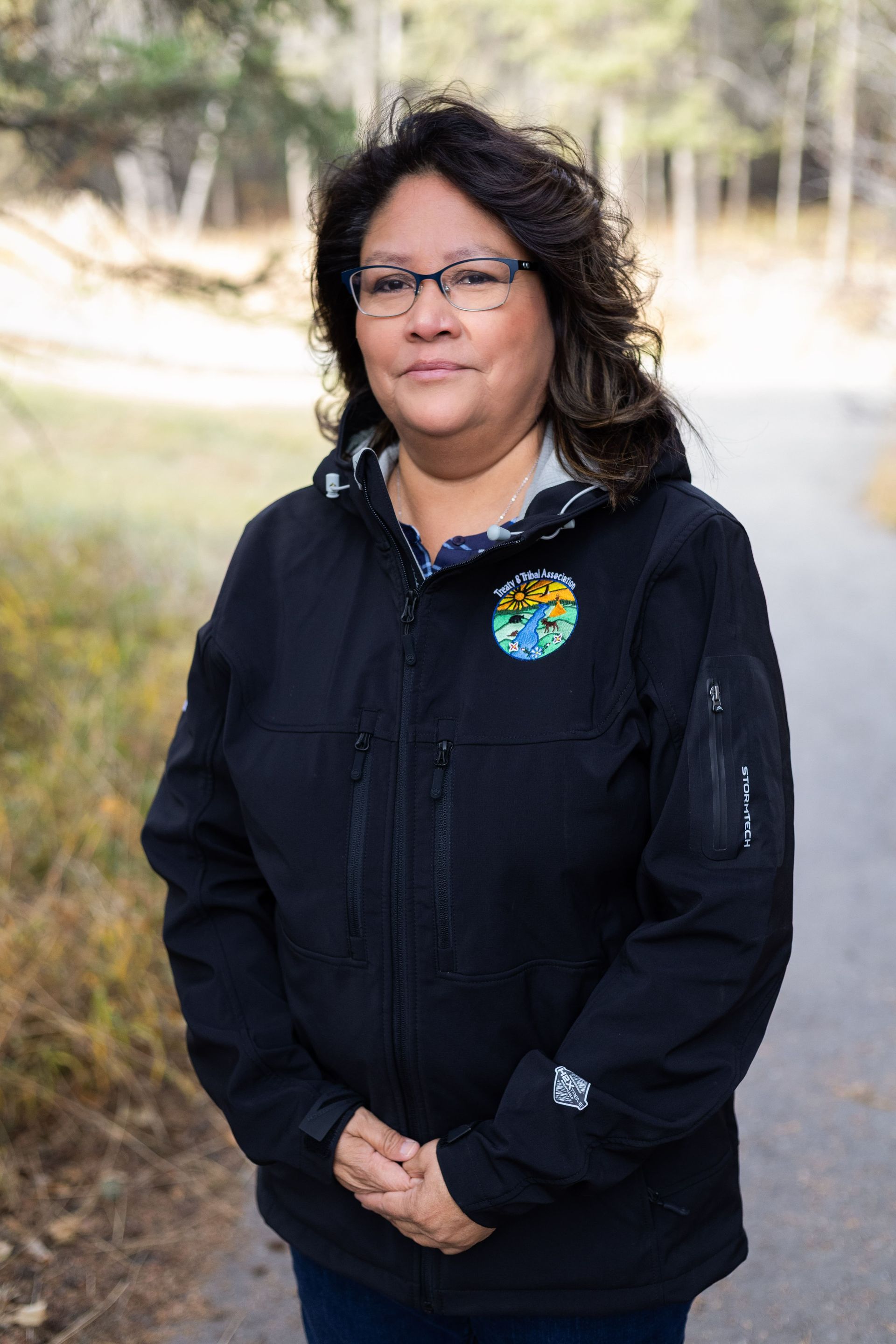
Karen St. Pierre is a Treaty 8 First Nation member from Prophet River First Nation with cultural background in the Beaver Dane-Zaa nation, having grown up in Doig River First Nation where she gained her cultural knowledge. She began as TARR Coordinator in January 2023 and coordinates research projects while supporting member nations in organizing evidence.
TARR has established relationships with archival institutions across Canada. These connections facilitate access to collections and efficient navigation of complex archival systems. Our local presence in Fort St. John, within the territories we research, means our work is informed by community knowledge, geographic understanding, and ongoing relationships with member nations.
Benefits of Treaty and Aboriginal Rights Research
Comprehensive Evidence Gathering
Professional research across multiple archives uncovers documents that strengthen legal positions, corroborate traditional knowledge, and establish patterns of use and Crown conduct.
Organized Documentation Management
Secure archive management ensures evidence remains accessible, properly cataloged, and maintained for long-term legal proceedings.
Expert Historical Analysis
Academic training and research experience provide rigorous analysis that meets evidentiary standards expected in legal proceedings.
When Historical Evidence Strengthens Legal Positions
Your land claim proceeds with comprehensive documentation of traditional use patterns spanning centuries. Federal negotiations recognize the strength of your evidentiary foundation. Court proceedings include expert testimony backed by extensive archival research. Crown obligations are demonstrated through federal government's own historical records.
Legal counsel works with organized, accessible documentation. Research timelines align with legal proceeding schedules. Historical patterns emerge clearly from systematic research. Strong historical evidence doesn't guarantee legal success, but weak or incomplete evidence almost guarantees complications.
Professional archival research provides the documentary foundation that complements oral history and traditional knowledge. When elders describe traditional use patterns, historical records often provide written documentation that confirms these accounts in ways legal systems recognize and accept as evidence.
Our Treaty Rights Research Process
Research Planning and Scope Definition
Initial conversations with nation leadership or legal counsel establish research objectives, timelines, and the types of evidence needed. This planning identifies which archives are most likely to hold relevant materials and how research findings will support specific legal strategies.
Archival Research and Document Gathering
Our research team conducts systematic searches in archives across Canada, examining federal records, provincial collections, missionary correspondence, Hudson's Bay Company documents, survey records, and other historical sources. Documents are photographed or copied according to archival protocols, with proper citation information recorded.
Analysis, Organization, and Archive Management
Research findings are analyzed for relevance to the nation's claims. Documents are organized thematically and chronologically, cataloged for efficient retrieval, and stored securely in T8TA's archive facilities. Summary reports highlight key findings and explain how documents support legal positions.
Ready to Discuss Research Support?
Whether your nation is beginning a new land claim, defending treaty rights in ongoing proceedings, or building historical documentation for future legal action, the Treaty and Aboriginal Rights Research Department can provide professional research support.
Contact our TARR team to discuss your nation's research needs, timelines, and how archival evidence can strengthen your legal positions.
Archive Security and Long-Term Management
Legal proceedings often span years or even decades. Historical evidence gathered during early research phases must remain accessible, properly stored, and well-organized throughout this extended timeline. TARR's secure archive facilities ensure documents are protected while remaining readily retrievable.
Archive management isn't passive storage, it's active curation with proper cataloging and organizational systems that allow efficient location of specific documents within large collections. Denée Renouf oversees the preservation and digital management of records, ensuring vital historical materials remain accessible for current and future legal proceedings.
Frequently Asked Questions About Treaty Rights Research
How long does archival research typically take?
Research timelines vary based on project scope, the number of archives requiring investigation, and how much relevant material exists. Targeted research might take weeks or months. Comprehensive research supporting major land claims can span a year or more. Initial planning conversations help establish realistic timelines based on your nation's specific needs and legal proceeding schedules.
What types of documents does TARR research uncover?
Historical documents don't replace traditional knowledge, they corroborate and strengthen it. When elders describe traditional use patterns, historical records often provide written documentation that confirms these accounts in ways legal systems recognize. The combination of oral history and archival evidence creates powerful support for treaty rights claims.
Can TARR research support claims outside Treaty 8 territory?
Yes. TARR conducts community-based research including interviews to ensure Indigenous voices and lived experience are centered in all work. Oral history, Indigenous knowledge, and community testimony are prioritized when preparing research materials, with archival documents supporting rather than replacing these voices.
How does historical documentary evidence complement oral history and traditional knowledge?
Historical documents don't replace traditional knowledge, they corroborate and strengthen it. When elders describe traditional use patterns, historical records often provide written documentation that confirms these accounts in ways legal systems recognize. The combination of oral history and archival evidence creates powerful support for treaty rights claims.
Is there a cost for Treaty rights research?
Research services for member nations are funded through the federal Ministry of Crown-Indigenous Relations and Northern Affairs. Member nations don't pay for archival research or archive management services.
Connect With Our TARR Team
Whether your nation is planning new claims research, needs support with ongoing legal proceedings, or wants to discuss how historical evidence could strengthen your legal positions, our research team can provide professional consultation.

Denee Renouf, Archive Manager
Phone: (250) 785-0612 ext. 241
Email: archivemanager@treaty8.bc.ca
Karen St. Pierre, TARR Coordinator
Phone: (250) 785-0612 ext. 240
Email: tarr@treaty8.bc.ca